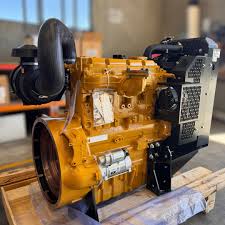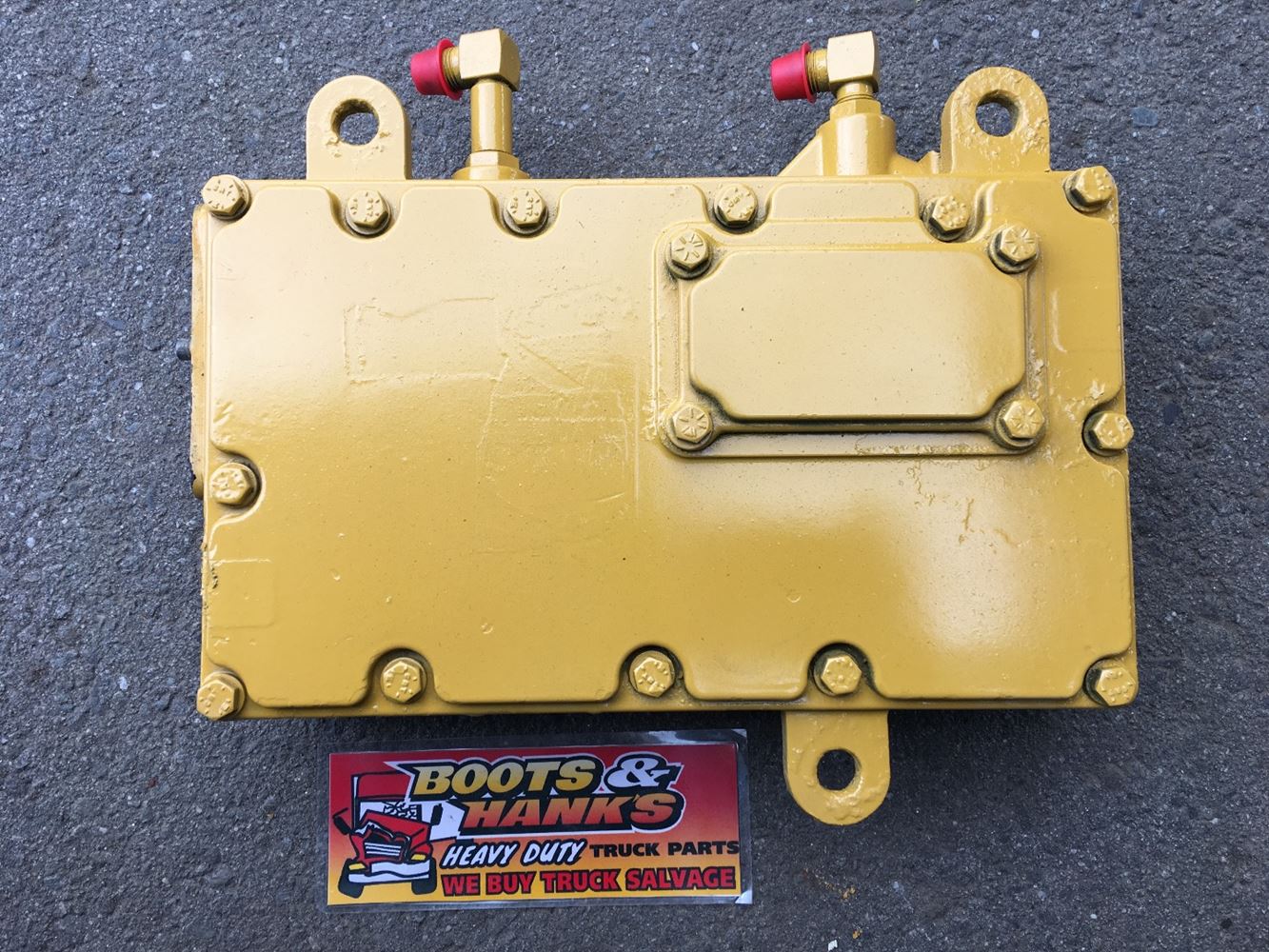
PEEC Controller Unit
The PEEC controller — the electronic control module that manages fuel delivery and engine timing. This is the core unit of the system, mounted on or near the engine.
A selection of work by David Ewing
The PEEC (Programmable Electronic Engine Control) is a Caterpillar product that provided electronic fuel injection and engine management for large diesel engines. It was one of the first programmable electronic control systems applied to industrial engines at scale.
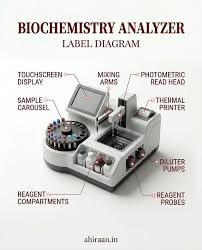
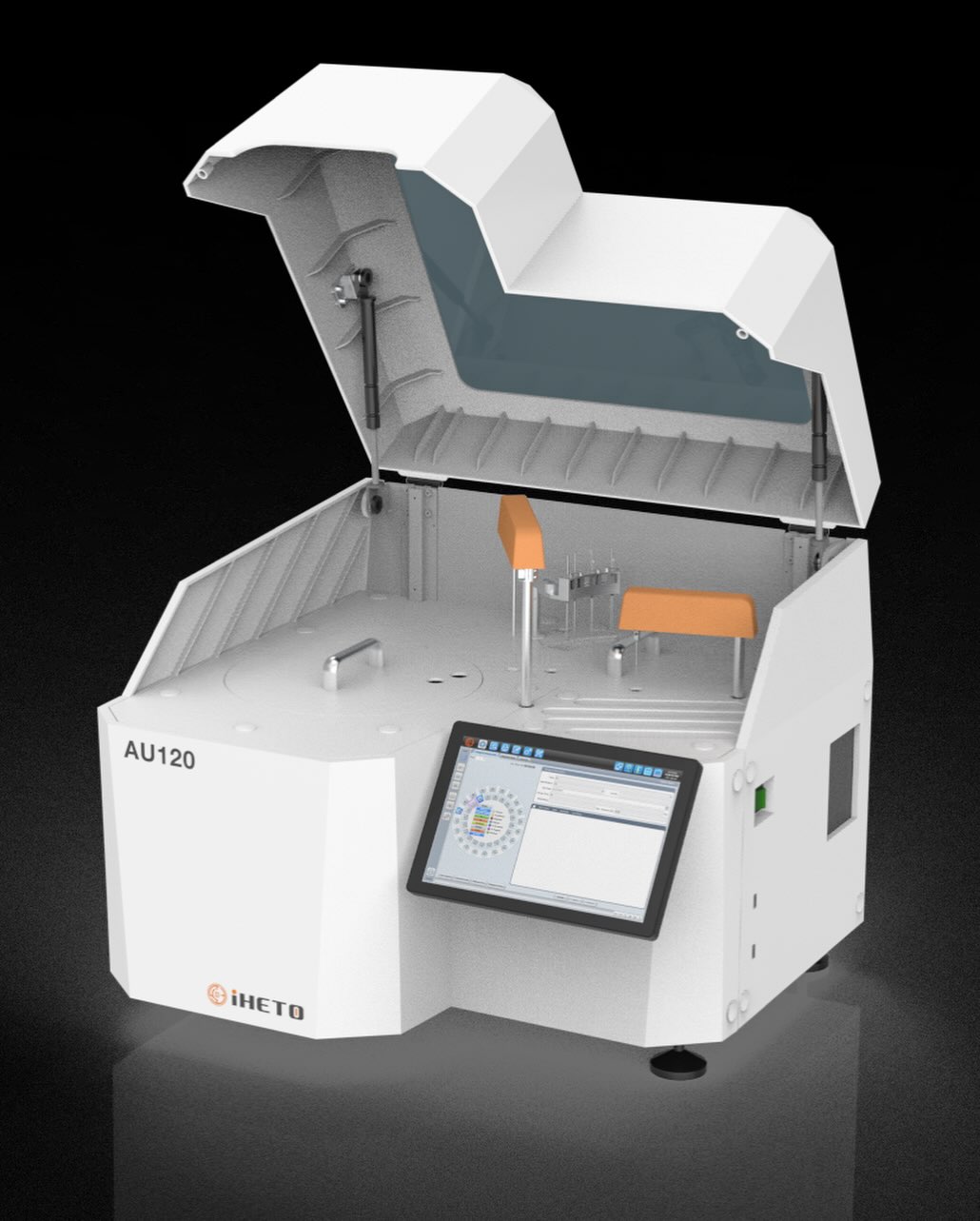
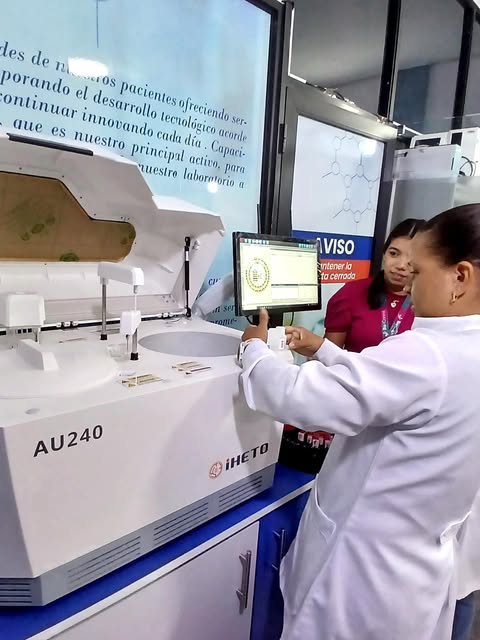
These images show examples of carousel-type biochemistry analysers — automated instruments used in clinical laboratories that process multiple patient samples simultaneously using a rotating sample carousel and optical detection station.
David Ewing was part of a design team at Polaroid Behringwerke Diagnostic Systems, working on a similar instrument. His specific contribution was the design of the fluoroimmunoassay assay and device — a technique that uses fluorescent labels to detect and quantify analytes such as cardiac markers, hormones, and therapeutic drugs in patient samples.
David Ewing worked at Ventritex in Sunnyvale, California, on the development of the Cadence — an implantable cardioverter-defibrillator (ICD). Ventritex was a pioneering medical device company whose Cadence device was among the first ICDs to deliver tiered therapy, combining antitachycardia pacing with low- and high-energy shocks to restore normal heart rhythm. The Cadence represented a significant advance in treating life-threatening ventricular arrhythmias.
The Memphis FedEx SuperHub is the world's largest automated parcel sorting facility, processing millions of packages every night. David Ewing was responsible for the automation systems within the facility — the conveyors, sortation matrix, and control systems that route packages from inbound aircraft to outbound in a matter of minutes.
An example of AI-generated video content, demonstrating the capability of modern generative AI tools to produce realistic visual material from a prompt or concept brief.
A look at where manufacturing technology is heading — combining automation, AI, and advanced materials to transform how products are conceived, designed, and built.